


5 Effective Toddler Learning Strategies for Every Mom

Teaching a toddler can feel like a wild adventure. One moment, they’re curious and eager to learn. The next, they’re distracted or frustrated. But guess what? You’re not alone in this journey. With the right toddler learning strategies, you can turn everyday moments into powerful learning experiences. Ready to dive in? Let’s explore some practical, fun, and effective ways to support your little one’s growth.
Why Toddler Learning Strategies Matter
Toddlers are like little sponges, soaking up everything around them. But they don’t learn like older kids or adults. Their brains are still developing, and they need hands-on, playful, and simple approaches. That’s why toddler learning strategies are so important. They help you connect with your child’s natural curiosity and make learning feel like play.
For example, instead of just telling your toddler the names of colors, you can use colorful toys or snacks to make it interactive. Or, when teaching new words, repeat them often and use gestures. These small tweaks make a big difference.
Remember, learning at this age isn’t about perfection. It’s about exploration, discovery, and building confidence. So, keep it light, keep it fun, and celebrate every little win!

Top Toddler Learning Strategies You Can Use Today
Let’s get practical. Here are some toddler learning strategies that really work:
Use Play as a Learning Tool
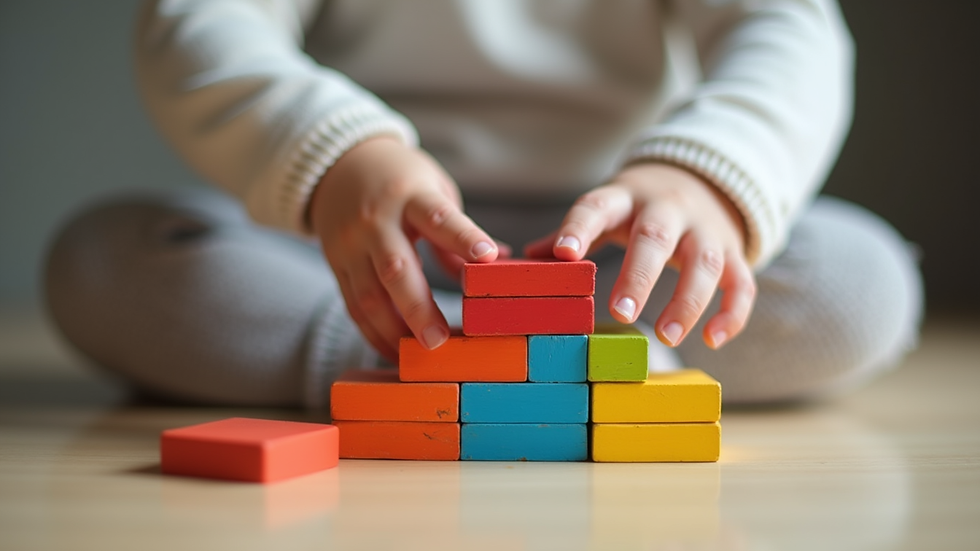
Play is the language of toddlers. Whether it’s stacking blocks, playing with dolls, or running around outside, play teaches problem-solving, motor skills, and social interaction. Try to join in their play and gently guide them with questions like, “What color is this?” or “Can you build a tower?”
Read Together Every Day
Reading aloud builds vocabulary and listening skills. Choose books with bright pictures and simple stories. Ask questions about the pictures and encourage your toddler to point or repeat words. Even a few minutes a day can spark a love for books.
Create a Routine with Learning Moments
Toddlers thrive on routine. Use daily activities like mealtime, bath time, or getting dressed as chances to teach. For example, count the spoonfuls of food or name the clothes as you dress your child. This makes learning natural and consistent.
Encourage Exploration and Curiosity
Let your toddler explore safely. Outdoor walks, sensory bins, or simple science experiments (like mixing water and sand) can ignite curiosity. Ask open-ended questions like, “What do you think will happen if we pour water here?”
Use Positive Reinforcement
Celebrate efforts, not just results. When your toddler tries to say a new word or stack blocks, praise them warmly. This builds confidence and encourages them to keep trying.
These strategies are easy to fit into your day and make learning a joyful experience for both of you.
What Should I Start Teaching My 2 Year Old?
Two-year-olds are at a magical stage. They’re starting to talk more, understand simple instructions, and show independence. So, what should you focus on teaching?
Language Skills: Introduce new words daily. Use simple sentences and repeat often. Singing songs and nursery rhymes helps too.
Basic Self-Care: Encourage washing hands, feeding themselves, and putting toys away. These build independence and responsibility.
Social Skills: Teach sharing, taking turns, and expressing feelings with words. Role-playing with dolls or stuffed animals can help.
Motor Skills: Activities like drawing with crayons, stacking blocks, or kicking a ball improve coordination.
Simple Concepts: Colors, shapes, numbers (1-5), and body parts are great starting points.
Remember, every child develops at their own pace. Be patient and keep the learning light and playful.
How to Make Learning Fun and Engaging
Let’s face it - toddlers have short attention spans. So, how do you keep them interested? Here are some tips:
Keep Activities Short and Sweet
Aim for 5-10 minute learning bursts. If your toddler loses interest, switch to something else or take a break.
Use Everyday Items
You don’t need fancy toys. Kitchen utensils, socks, or cardboard boxes can become learning tools. For example, use measuring cups to teach volume or socks to practice matching.
Sing and Dance
Music is a powerful learning tool. Sing songs about numbers, animals, or daily routines. Add dance moves to make it active and fun.
Follow Their Lead
Notice what excites your toddler and build lessons around that. If they love animals, read books about them or visit a petting zoo.
Be Patient and Positive
Learning is a process. Celebrate small successes and don’t stress over mistakes. Your enthusiasm is contagious!
Tips for Creating a Toddler-Friendly Learning Environment
Your home can be a learning haven with a few simple changes:
Organize Learning Materials
Keep toys, books, and art supplies accessible. Use low shelves or bins so your toddler can choose independently.
Designate a Learning Space
A cozy corner with cushions, a small table, and good lighting invites your toddler to explore and focus.
Limit Screen Time
While some educational apps can be helpful, real-world interaction is best. Use screens sparingly and always with your involvement.
Incorporate Nature
Outdoor time is learning time. Nature walks, gardening, or just watching birds teach observation and curiosity.
Safety First
Make sure the learning area is safe and toddler-proofed. This lets your child explore freely without constant “no”s.
By setting up a supportive environment, you make learning a natural part of your toddler’s day.
Keep Growing Together
Teaching your toddler is a journey filled with joy, challenges, and endless discoveries. By using these toddler learning strategies, you’re not just helping your child grow—you’re building a strong bond and creating memories that last a lifetime.
If you want more ideas and support, check out teaching your toddler for resources tailored just for you. Remember, every small step counts. Keep encouraging, keep exploring, and most importantly, keep having fun!
You’ve got this!

Comments